This term, Year 3 have been developing their historical enquiry skills by investigating a big question:
Has life changed for the better since the Industrial Revolution?
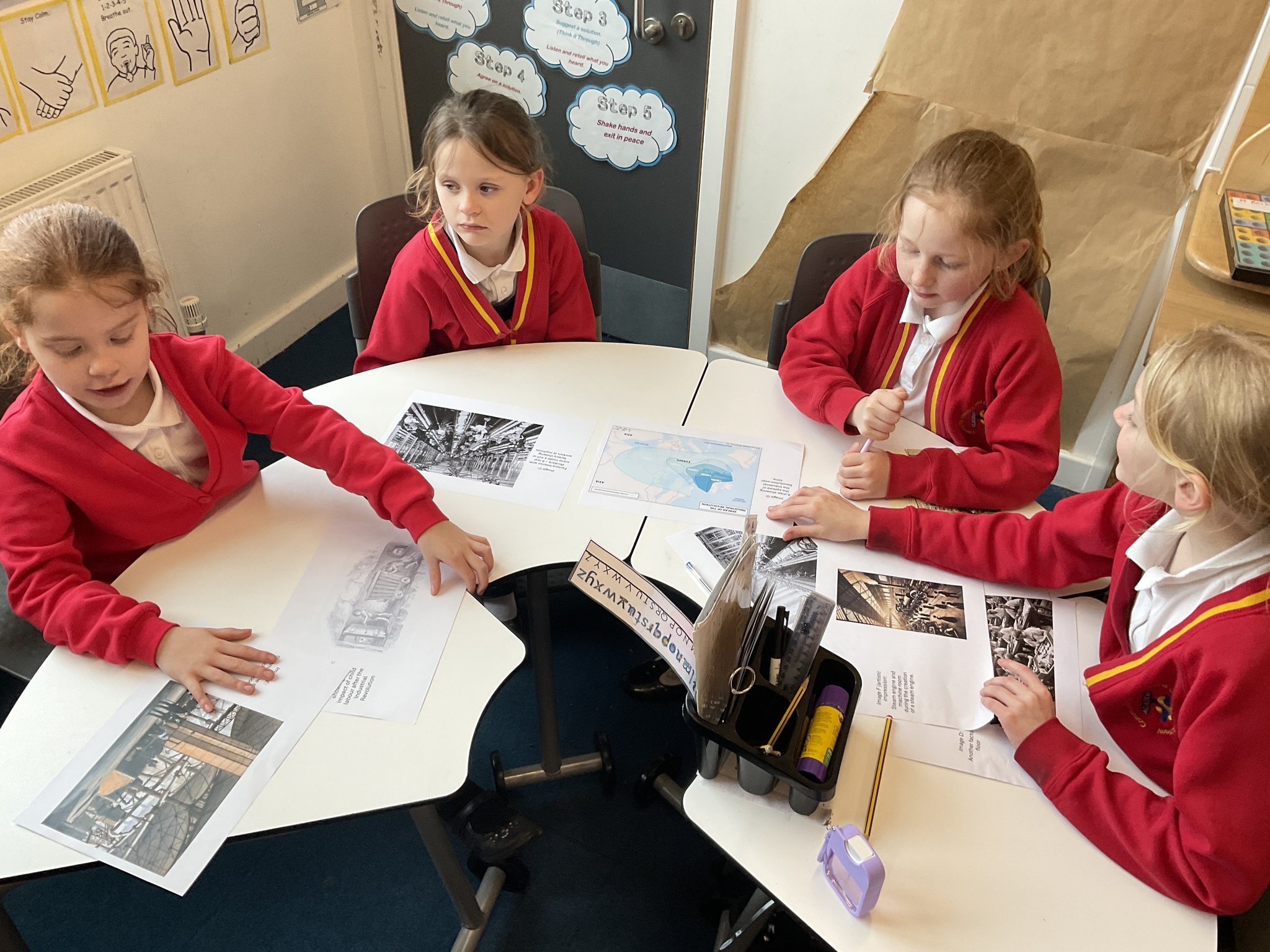
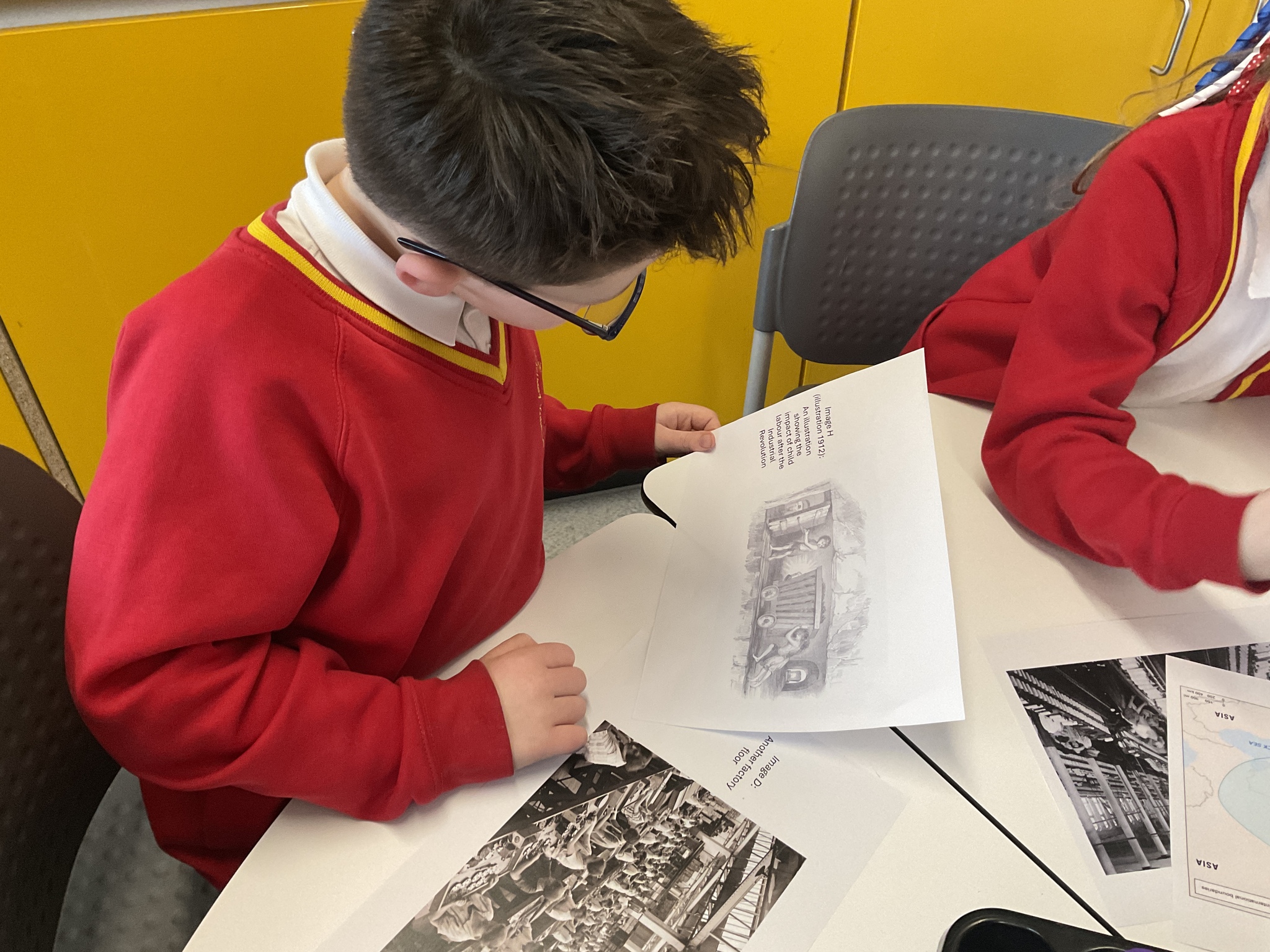
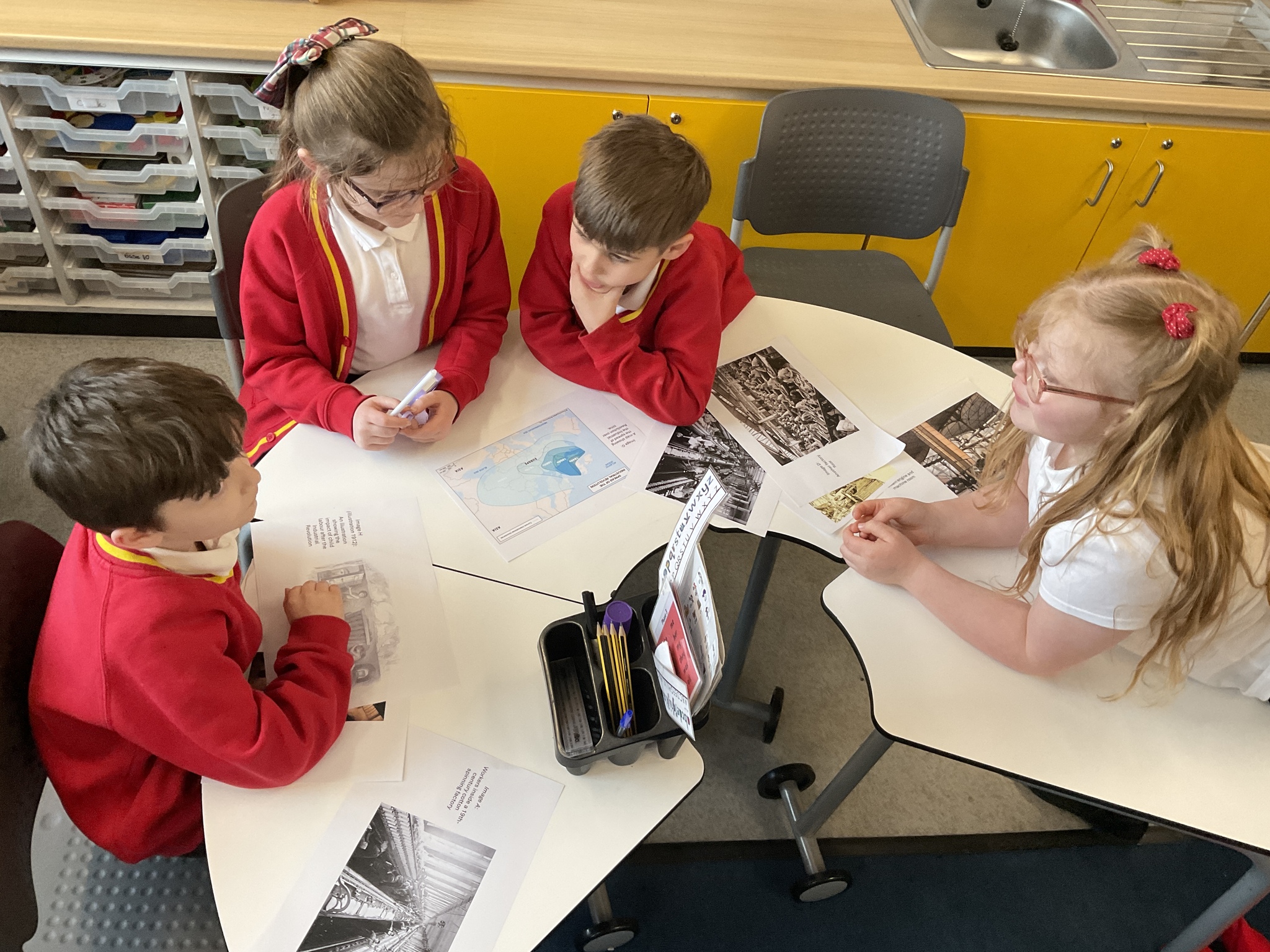
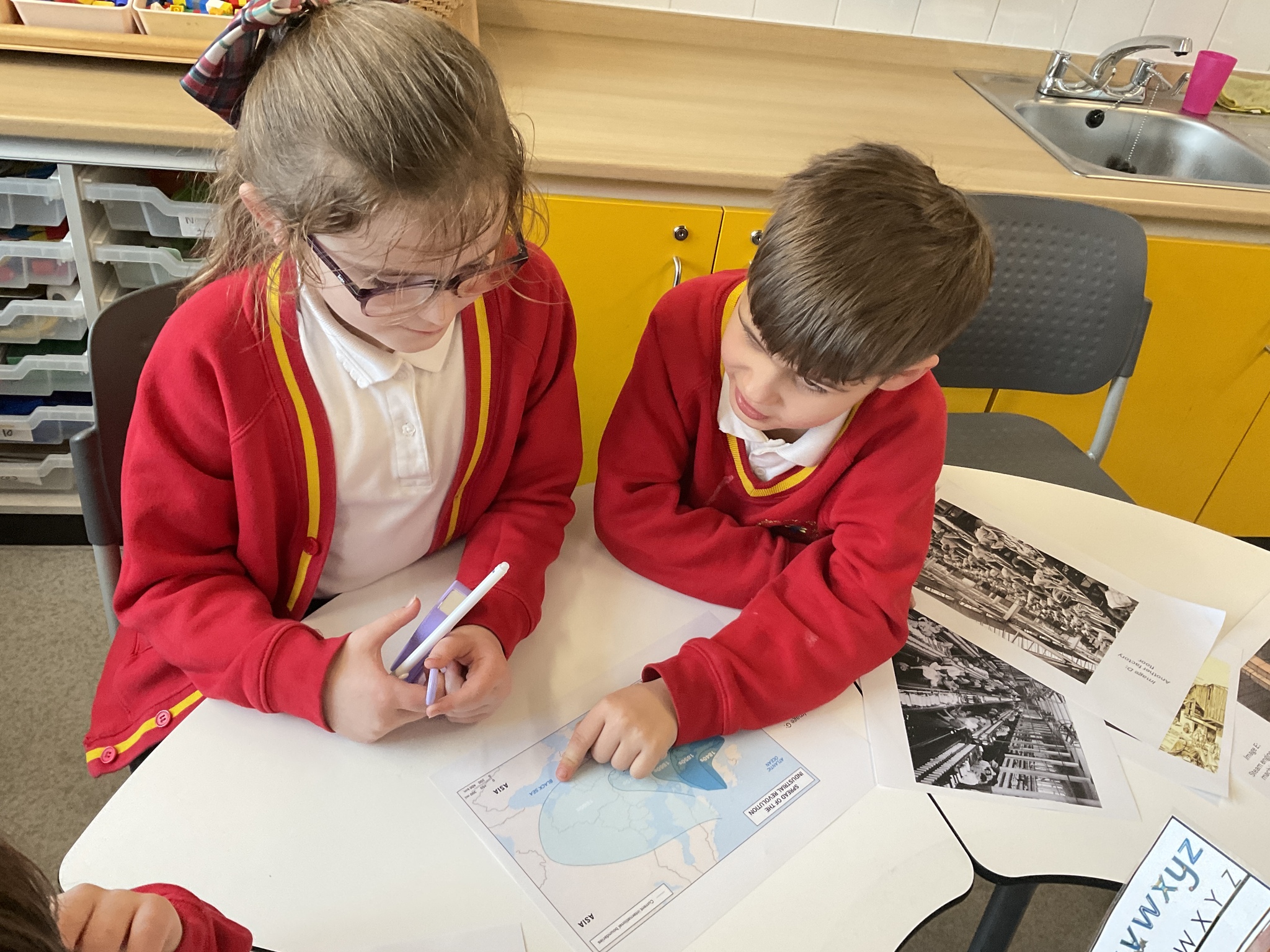
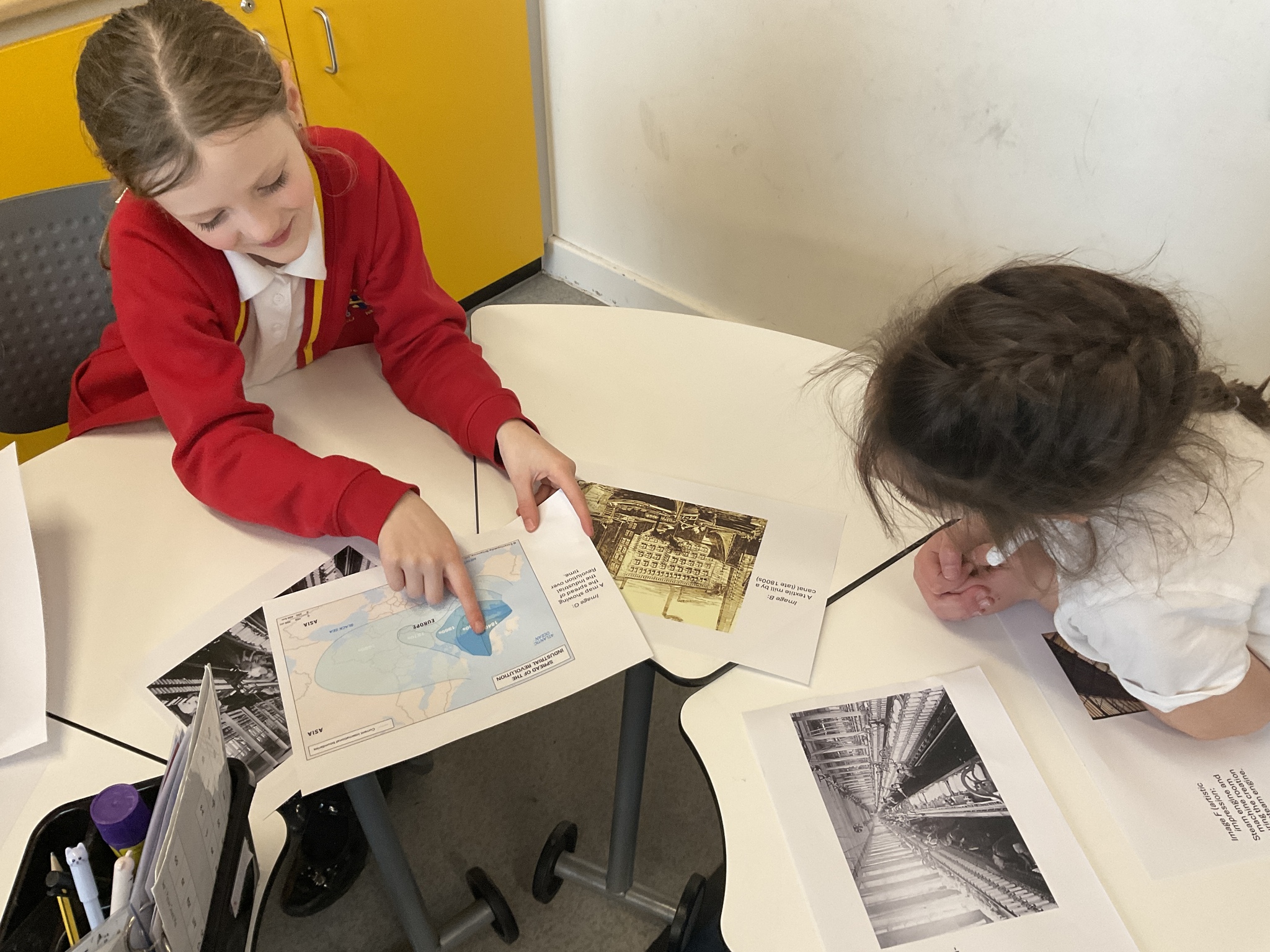
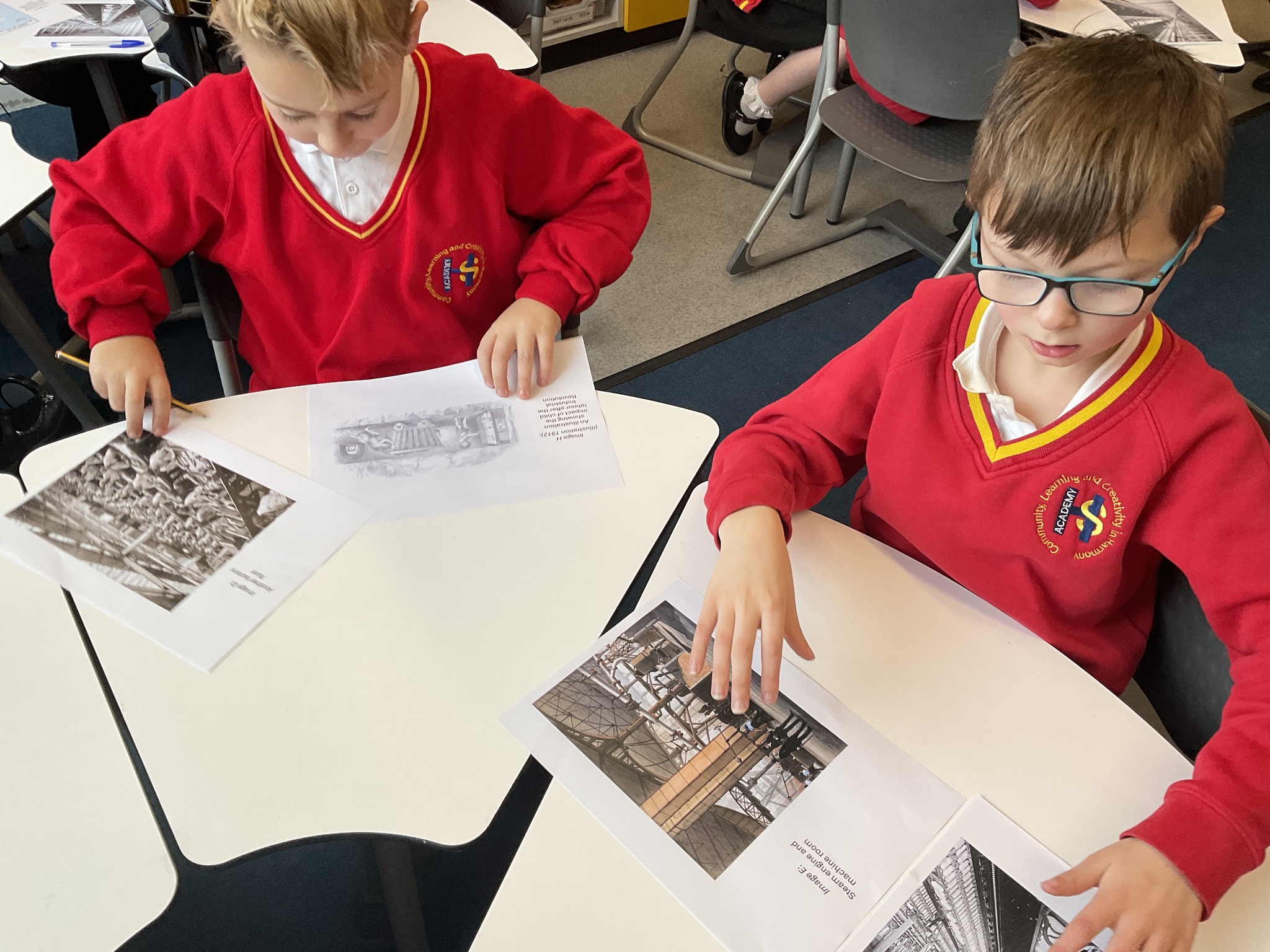
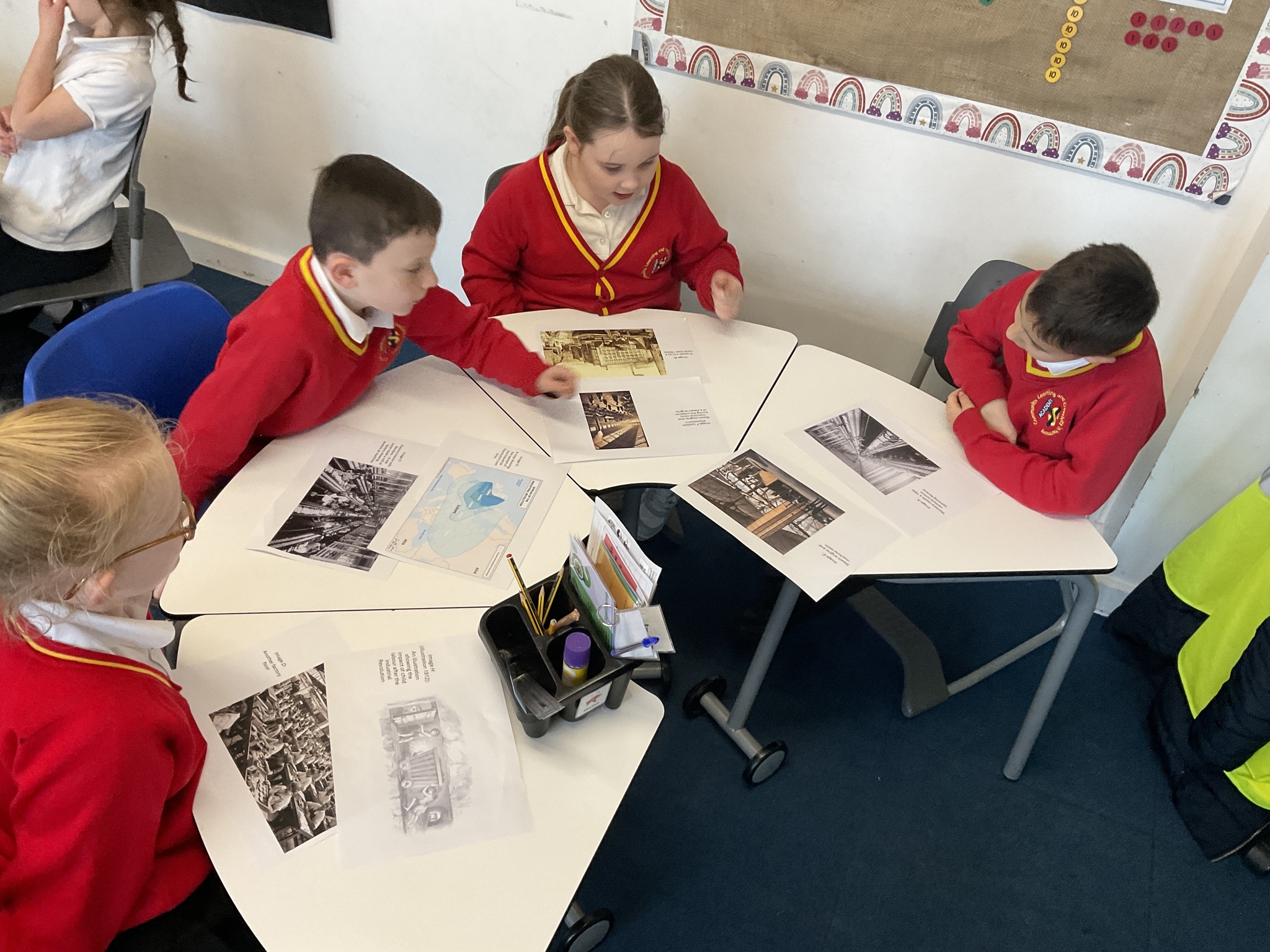
To help answer this, the children became real historians. They explored a range of sources including images, maps and artist illustrations. They learned that history is not just about facts, but about asking questions, spotting clues and thinking carefully about evidence.
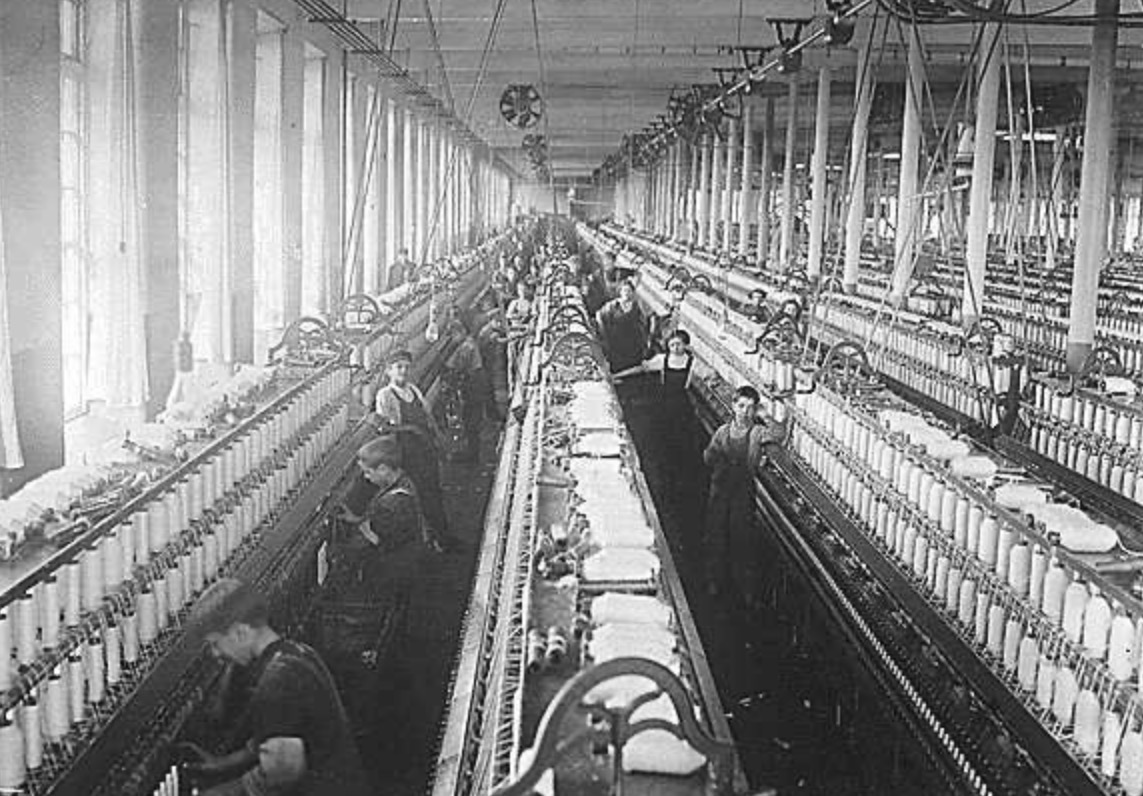
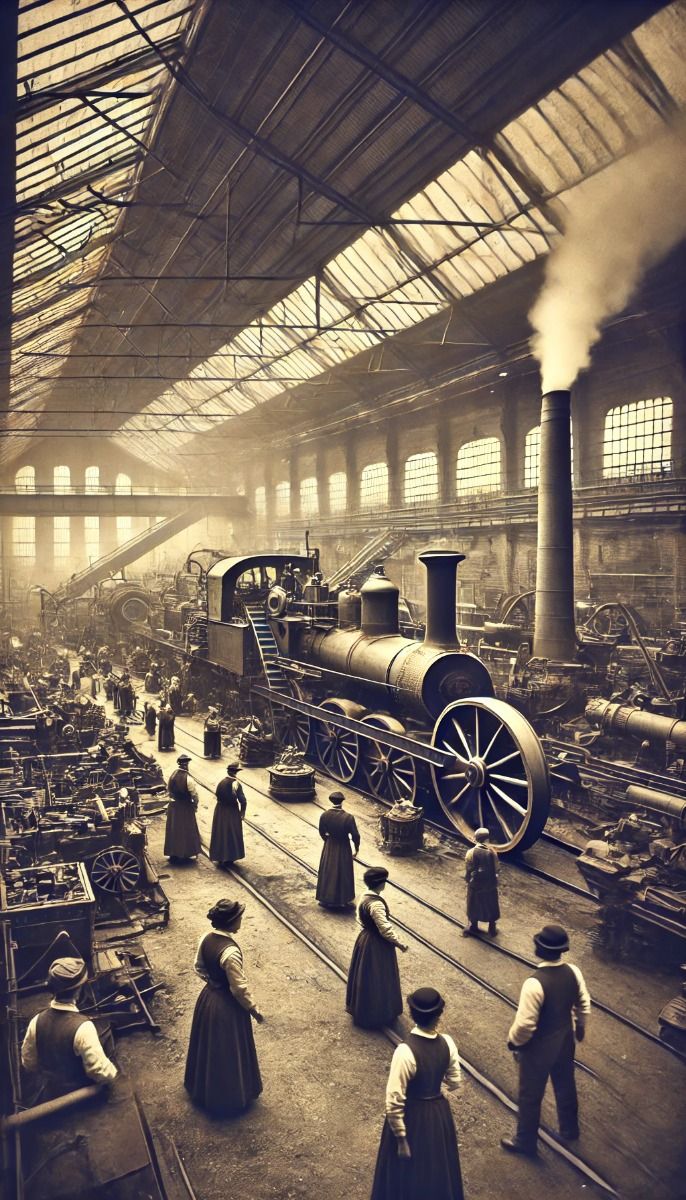
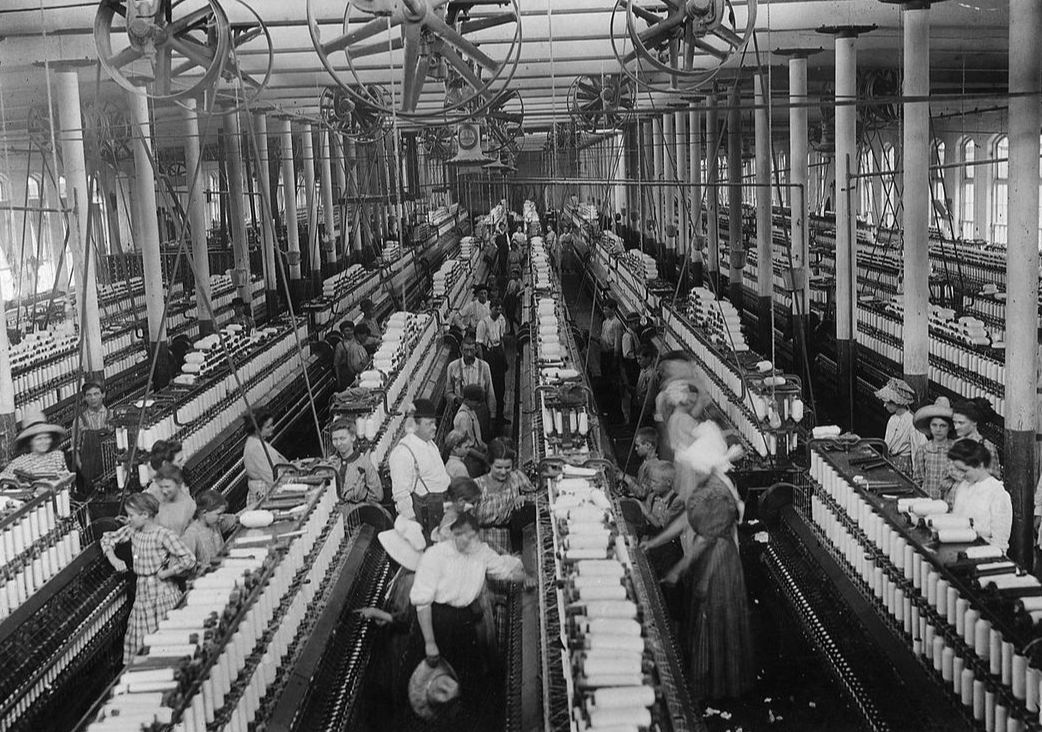
By studying pictures of factories and machinery, the children noticed how busy, crowded and noisy workplaces might have been. They saw that many people, including children, worked long hours in environments that could be dangerous. This led to thoughtful discussions about what work was like during the Industrial Revolution and how different it was from life at home. At home there may have been fresh air, family nearby and time to rest, while factories were strict places with long days and very little time for play or school.
The class also explored how society and technology were changing. They spotted new machines that made goods much faster, growing towns, and more factories being built. They learned that Britain was the first country to industrialise because it had useful natural resources like coal and iron, good transport routes such as rivers and ports, and inventors who created new machines.
The children compared life before and after machines were introduced. Before, many items were made slowly by hand. With machines, goods could be produced more quickly and cheaply. They understood that while some factory owners became richer, many workers had difficult jobs and low pay. This helped them see that change can improve life for some people but not always for everyone.
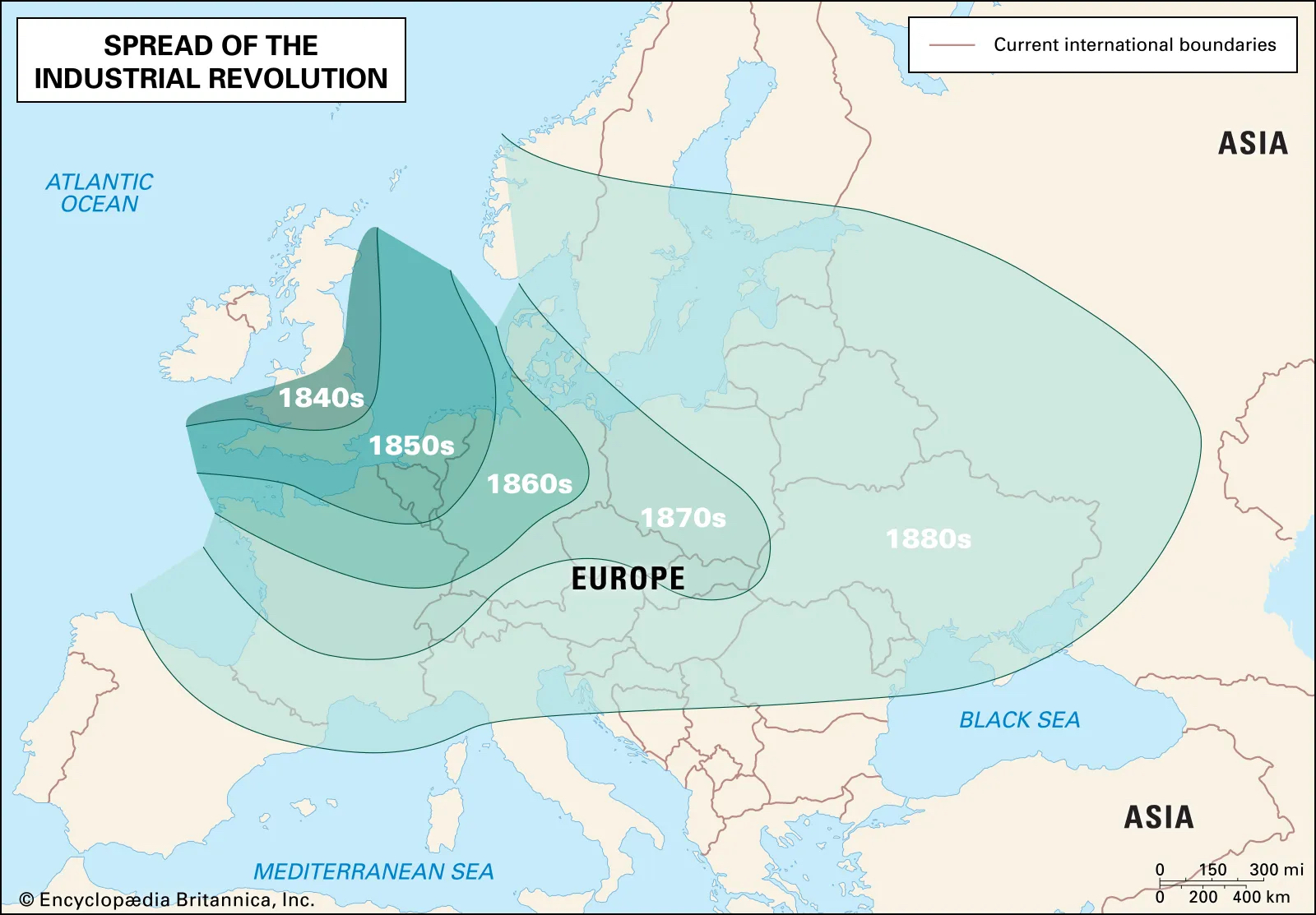
Looking at maps of industrial growth helped Year 3 see that factories were often built near coal mines and rivers. Some towns grew quickly and became wealthier, while other areas remained poor. This helped the children understand how where people live can affect their opportunities.
One of the most impressive parts of our learning was when the children noticed that many sources show what happened, but not always how workers felt. We discussed how historians find these missing voices through letters, diaries, newspaper reports and other personal accounts.
Finally, the children imagined what life would be like without inventions such as steam engines, trains and factory machines. They realised travel would be much slower, goods would be more expensive, and cities might be smaller.
We are so proud of how thoughtfully Year 3 have explored these big ideas. They are learning to question evidence, consider different viewpoints and understand how the past has shaped the world we live in today.
3S Historians - Industrial Revolution
Question: Would you rather live before or after the Industrial Revolution?